

How to Diagnose Engine Head Gasket 2026 Failure Symptoms
- Understanding under-the-hood failures before you replace parts
- Why diagnose carefully: avoid unnecessary parts and labor (engine head gasket, engine sealing)
- Common symptoms and how to prioritize them (cylinder head gaskets, engine sealing)
- Quick, no-tools checks to start (repair kits, overhaul repair kits)
- Mid-level diagnostic tests: what to do and how to interpret results (engine head gasket, compression test)
- 1) Compression test (cylinder head gaskets, engine sealing)
- 2) Leak-down test (leak-down, head gasket diagnosis)
- 3) Block pressure or chemical test for exhaust gases in coolant (engine sealing, gasket test)
- Advanced checks and when to involve a machine shop (cylinder head gaskets, overhaul repair kits)
- Decision matrix: repair options and cost drivers (engine head gasket, engine sealing)
- Materials and gasket types (engine sealing, cylinder head gaskets)
- Tools, estimated test costs, and when to hire a pro (engine head gasket, overhaul repair kits)
- WTA Gasket — manufacturer capabilities and why it matters for repairs (WTA Gasket, engine sealing)
- WTA advantages and product focus (engine head gasket, cylinder head gaskets)
- Prevention and maintenance to reduce head gasket risk (engine sealing, overhaul repair kits)
- Summary diagnosis checklist (engine head gasket)
- Frequently Asked Questions (FAQ)
- 1. What is the most reliable test for a blown head gasket?
- 2. Can a head gasket fail without overheating?
- 3. How long does a head gasket repair take?
- 4. Is an MLS gasket always the best choice?
- 5. How do I choose a replacement gasket supplier?
- 6. Can I drive with a small head gasket leak?
- Contact and product inquiry (engine sealing, head gasket)
- References
Understanding under-the-hood failures before you replace parts
The term engine head gasket appears constantly in repair shops, forums, and service invoices. Yet many drivers and even some DIYers misinterpret symptoms and replace parts unnecessarily. This article gives a structured, evidence-based approach to diagnosing cylinder head gasket failures in 2026 — focusing on practical checks, measurable tests, and how to differentiate head gasket issues from related problems. It also explains material choices for engine sealing and offers guidance on repair strategy and sourcing quality gaskets.
Why diagnose carefully: avoid unnecessary parts and labor (engine head gasket, engine sealing)
Misdiagnosis of a blown head gasket can lead to replacing expensive parts (heads, gaskets, or even the engine) when the true cause is overheating, cracked block, or external leak. Accurate diagnosis protects you financially and ensures engine longevity. This section outlines a prioritized workflow using inexpensive checks first and progressing to more advanced tests if initial indicators point to a head gasket failure.
Common symptoms and how to prioritize them (cylinder head gaskets, engine sealing)
Symptoms overlap with other failures; use a scoring approach. If you see multiple strong indicators below, prioritize head gasket-specific tests:
- White exhaust smoke or sweet-smelling vapor (possible coolant burning)
- Milky or frothy oil (oil contaminated with coolant)
- Overheating with unexplained coolant loss
- Bubbles in coolant reservoir or radiator while engine runs
- Loss of compression in one or more cylinders
- Engine misfire coupled with coolant loss
These signs point to possible passageways between combustion chambers and coolant or oil galleries — classic head gasket failure modes.
Quick, no-tools checks to start (repair kits, overhaul repair kits)
Begin with simple, reversible checks before committing to disassembly. These steps are low-cost and can already rule in or out head gasket involvement:
- Check coolant level and color — look for oil contamination or rust particles.
- Check engine oil color and texture — a light-brown, mayonnaise-like emulsion indicates coolant in oil.
- Remove spark plugs — inspect for coolant deposits or white residue on plugs in affected cylinders.
- Observe exhaust at cold start — dense white smoke that clears may indicate coolant burning in the combustion chamber.
- With the engine cold, open radiator cap (or reservoir) and start engine — look for constant, large bubbles that correlate with engine rpm.
Mid-level diagnostic tests: what to do and how to interpret results (engine head gasket, compression test)
When quick checks indicate a potential head gasket problem, proceed to measurable tests that tell you which cylinder(s) are involved and whether combustion gases are entering the cooling system.
1) Compression test (cylinder head gaskets, engine sealing)
Purpose: Checks if combustion pressure is escaping from a cylinder. Procedure summary:
- Warm engine, disable fuel and ignition for each cylinder, crank 4–6 compression strokes with a gauge, and record PSI per cylinder.
- Interpretation: PSI values should be within 10–15% across cylinders for most engines. A low reading in one cylinder can indicate a burned valve, piston ring wear, or head gasket leak between cylinders.
2) Leak-down test (leak-down, head gasket diagnosis)
Purpose: Confirms where compression is escaping by pressurizing each cylinder at TDC and listening/observing escape paths.
- Apply compressed air (typically 100 psi) to a cylinder at TDC with valves closed.
- Listen at the radiator (bubbles = combustion to cooling system), at the oil filler cap (air = into crankcase), or at adjacent cylinders (air = head gasket between cylinders).
- Leak-down percentage quantifies severity; higher leak percentage points to more urgent repair.
3) Block pressure or chemical test for exhaust gases in coolant (engine sealing, gasket test)
Purpose: Detects combustion gases in the cooling system using a chemical indicator or pressure test.
- Chemical test kits (commonly called 'block testers') pass radiator or reservoir gases through a reactive fluid that changes color if exhaust gases are present.
- Interpretation: A positive result reliably indicates combustion gases entering the coolant — strong evidence of head gasket breach, cracked head, or cracked block.
Advanced checks and when to involve a machine shop (cylinder head gaskets, overhaul repair kits)
If mid-level tests are inconclusive or confirm a problem, more advanced inspection is required:
- Remove cylinder head(s) for visual inspection — look for gasket blow-by, corrosion around coolant passages, and hairline cracks.
- Check head and block flatness with a precision straightedge and feeler gauges; cylindrical warpage beyond manufacturer spec demands resurfacing or replacement.
- Magnaflux or dye-penetrant tests for head cracks (especially aluminum heads) are standard machine-shop procedures.
- Examine head bolts/studs for stretch; many modern engines use torque-to-yield bolts that must be replaced on reassembly.
Decision matrix: repair options and cost drivers (engine head gasket, engine sealing)
Choose repair path based on root cause, engine value, and available parts. Below is a concise comparison table to help decide.
| Problem Found | Repair Option | Pros | Cons / Cost Drivers |
|---|---|---|---|
| Blown gasket, no warped head | Replace head gasket with correct spec (MLS or OEM) | Lower cost, preserves engine | Requires proper surface prep and torque sequence |
| Blown gasket + warped head (out of flat) | Resurface head + new gasket; possible new head bolts | Reliable seal restored | Machine shop labor; possible head thickness limits |
| Cracked head or block | Replace head or engine; welding or block replacement in some cases | Permanent fix | High cost; replacement often cheaper than repair on older vehicles |
Materials and gasket types (engine sealing, cylinder head gaskets)
Gasket material selection matters for longevity and sealing performance. Common types:
- Multi-layer steel (MLS): Preferred for modern engines — high durability, consistent torque retention.
- Composite/graphite: Used in older or lower-compression engines; can seal irregular surfaces but may deteriorate sooner.
- Copper: High thermal conductivity, used in performance or custom builds; requires special installation.
Match gasket type to engine design, head finish, and manufacturer recommendations. For most late-model cars, MLS is the standard choice.
Tools, estimated test costs, and when to hire a pro (engine head gasket, overhaul repair kits)
Basic diagnostic tools you can use or expect a shop to run:
- Compression gauge (cost $30–$120)
- Leak-down tester (cost $80–$400)
- Coolant block tester / chemical kit (cost $10–$40)
- Infrared thermometer and pressure tester for cooling systems
Shops will often do an initial diagnostic for a fixed fee (varies widely by region). Major costs arise from disassembly, machining, and replacement parts. If both head and block are intact, repairing with a quality MLS gasket and new head bolts often represents the best cost-performance balance.
WTA Gasket — manufacturer capabilities and why it matters for repairs (WTA Gasket, engine sealing)
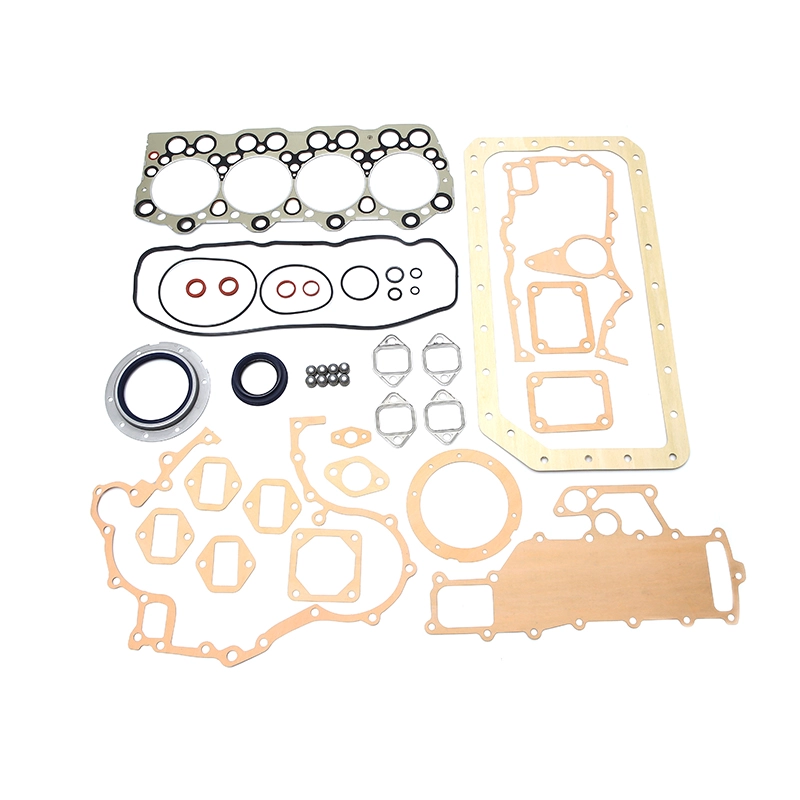
WTA Gasket was founded in 2012 and specializes in producing cylinder head gaskets, overhaul repair kits, and other precision components for automotive. Since the foundation, our company has always been in pursuit of the best cost performance and exceeding customer expectations as our objective. We specialize in producing automotive engine seals and gaskets. We mainly produce automotive engine sealing. Our company can design, test, and manufacture all kinds of structure and material precise gaskets, such as compound graphite gaskets, non-compound graphite gaskets, asbestos gaskets, multilayer metal, etc. Up to now, our factory can produce various overhaul repair kits, cylinder head gaskets, valve cover gaskets, oil pan intake/exhaust manifold gaskets, and other kinds of engine sealing, including Toyota, Nissan, Mitsubishi, Honda, Mazda, Isuzu, Kia, Daewoo, Volkswagen, Cetrion, Ford, GM-Buick, Chery, Hino, BMW, Chevrolet, etc. series.
WTA advantages and product focus (engine head gasket, cylinder head gaskets)
Why source gaskets from a specialty manufacturer like WTA:
- Technical depth: In-house design and testing capability for multiple materials ensures compatibility with OEM specifications and modern engine sealing demands.
- Material range: From compound graphite to MLS and specialty composites, WTA can match the right gasket to engine metallurgy and surface finish.
- Production scale and quality systems: Consistent part tolerances reduce installation risk; aftermarket and remanufacture-ready kits available.
- Cross-platform coverage: Supports major global marques and offers ready-fit overhaul repair kits matching popular engine families.
For repair shops and remanufacturers, choosing a reliable gasket supplier reduces rework and warranty exposure after head gasket service.
Prevention and maintenance to reduce head gasket risk (engine sealing, overhaul repair kits)
Head gasket failures are often avoidable with proper vehicle care:
- Address overheating immediately — continued high-temperature cycles damage head gaskets and heads.
- Maintain cooling system: thermostat, radiator, hoses, and water pump in good condition; use correct coolant concentration.
- Follow torque and re-torque procedures on head bolts as recommended by OEM when reassembling (use new bolts if specified).
- Use quality gaskets designed for your engine — aftermarket economy gaskets can compromise seal life.
Summary diagnosis checklist (engine head gasket)
A concise workflow to follow when head gasket failure is suspected:
- Perform quick visual checks: oil and coolant inspection, spark plug check, observe exhaust.
- Run chemical block test for combustion gases in coolant.
- Compression test across all cylinders.
- Leak-down test to localize leakage paths.
- If tests indicate gasket breach, remove head for visual inspection, flatness check, and machining/crack testing as needed.
- Decide repair scope: gasket replacement only vs. resurfacing or part replacement.
Frequently Asked Questions (FAQ)
1. What is the most reliable test for a blown head gasket?
The block pressure/chemical test for combustion gases in the coolant combined with a leak-down test provides the most reliable, non-destructive diagnosis. If both are positive, the likelihood of a head gasket breach or cracked head/block is high.
2. Can a head gasket fail without overheating?
Yes. While overheating is a common cause, head gaskets can fail due to manufacturing defects, repeated thermal cycling, improper installation or torque, and engine mechanical failures that compromise sealing surfaces.
3. How long does a head gasket repair take?
Time depends on engine complexity. Simple inline four-cylinder engines may need 8–16 hours in a shop; V-type engines or engines with accessories in the way can take longer. Add machine shop time for resurfacing or crack testing if required.
4. Is an MLS gasket always the best choice?
MLS gaskets are preferred for modern engines due to durability and temperature resistance. However, some older engines or specific designs may require composite or copper gaskets per OEM specifications. Always match the gasket material to engine design.
5. How do I choose a replacement gasket supplier?
Choose suppliers with proven quality control, material traceability, and appropriate product fitment. Manufacturers offering design, testing, and a range of materials (MLS, graphite, copper) — such as WTA Gasket — are strong candidates because they can match gasket selection to engine needs and provide overhaul repair kits for complete service.
6. Can I drive with a small head gasket leak?
Short-term, slowly — but driving with a head gasket leak risks severe engine damage (rapid overheating, engine knock, or catastrophic oil/coolant contamination). Arrange repairs promptly once a leak is confirmed.
Contact and product inquiry (engine sealing, head gasket)
If you suspect a head gasket issue and need genuine replacement parts or overhaul repair kits, contact WTA Gasket for product details, OEM-fit solutions, and technical support. WTA specializes in engine head gasket, cylinder head gaskets, and engine sealing products across major vehicle platforms. For quotes, application fitment, or technical drawings, contact your distributor or reach out to WTA Gasket's sales and technical team for assistance.
References
- YourMechanic — How to Tell If Your Head Gasket Is Blown. https://www.yourmechanic.com/article/how-to-tell-if-your-head-gasket-is-blown — Accessed 2025-12-08.
- CarMD — Blown Head Gasket. https://www.carmd.com/learn/blown-head-gasket/ — Accessed 2025-12-08.
- RepairPal — Head Gasket Replacement info & cost guide. https://repairpal.com/estimator/cost/head-gasket-replacement — Accessed 2025-12-08.
- AutoZone — Head Gaskets technical overview. https://www.autozone.com/landing/page.jsp?name=head-gaskets — Accessed 2025-12-08.
- Haynes & Chilton repair manuals — standard procedures for compression/leak-down tests and head bolt torque specifications (refer to model-specific manual for exact values). Accessed via manufacturer documentation, 2025-12-08.
The B2B Buyer’s Guide to oem head gasket
Common Problems Solved by Overhaul Gasket Kit for Mitsubishi
Top rzj120 gasket kit Manufacturers and Suppliers
How to manufacturing diesel engine gaskets
OEM&ODM
What is your sample policy?
We can supply the sample if we have ready parts in stock, but the customers have to pay the sample cost and the courier cost.
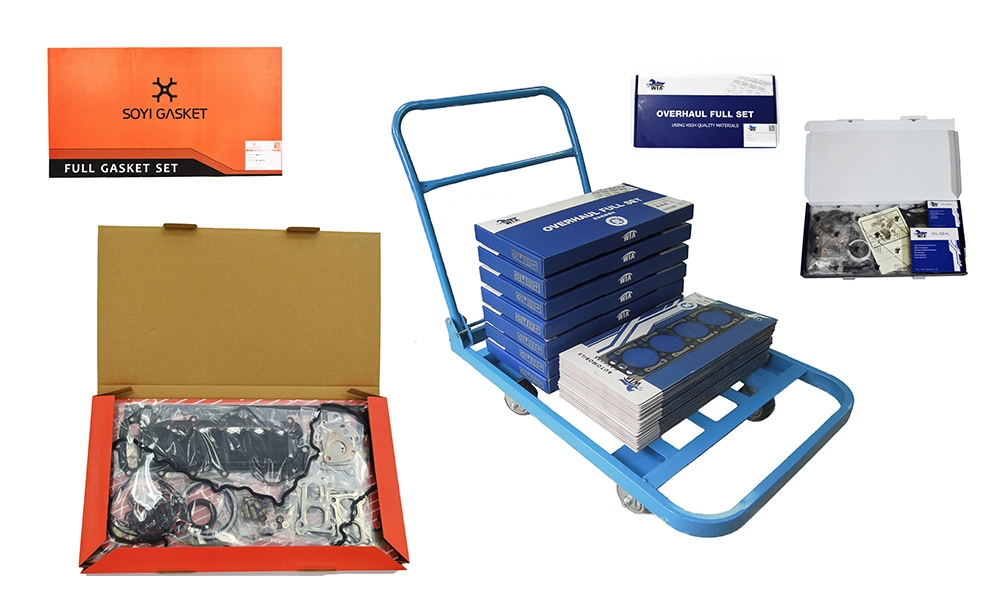
What is your terms of packing?
Generally, we pack our goods in WTA and SOYI packing. If you have legally registered patent, we can pack the goods in your branded boxes after getting your authorization letters.
What is your terms of payment?
T/T 30% as deposit, and 70% before delivery. We'll show you the photos of the products and packages before you pay the balance.
What is your terms of delivery?
EXW, FOB
How about your delivery time?
Generally, it will take 5 to 7 days after receiving your advance payment. The specific delivery time depends on the items and the quantity of your order.
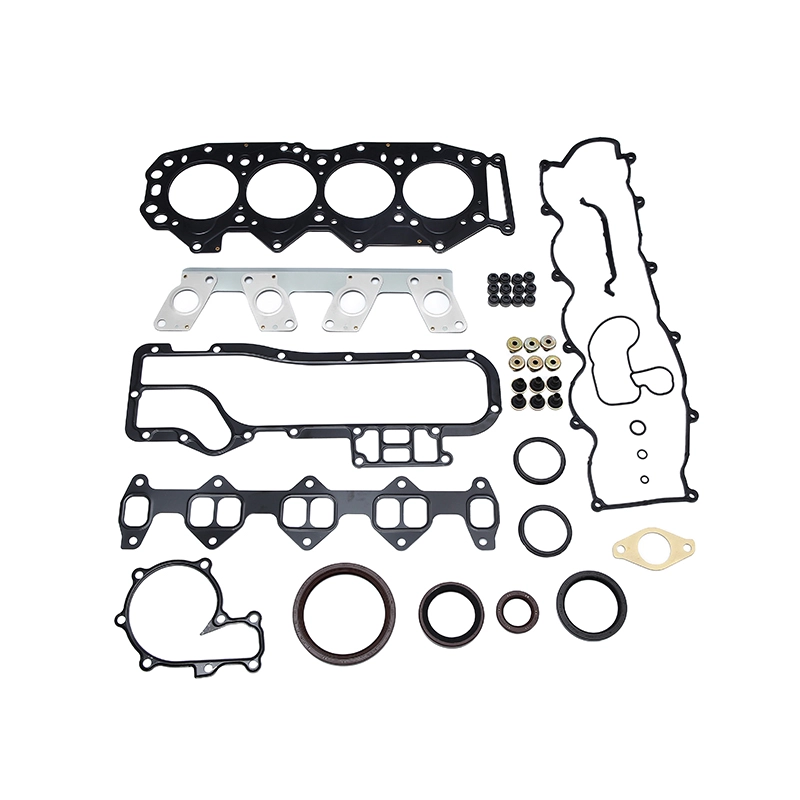
High Quality Full Gasket Set 8ASX-10-271 WL Engine Overhaul Gasket Kits for Mazda B-SERIE 2.5
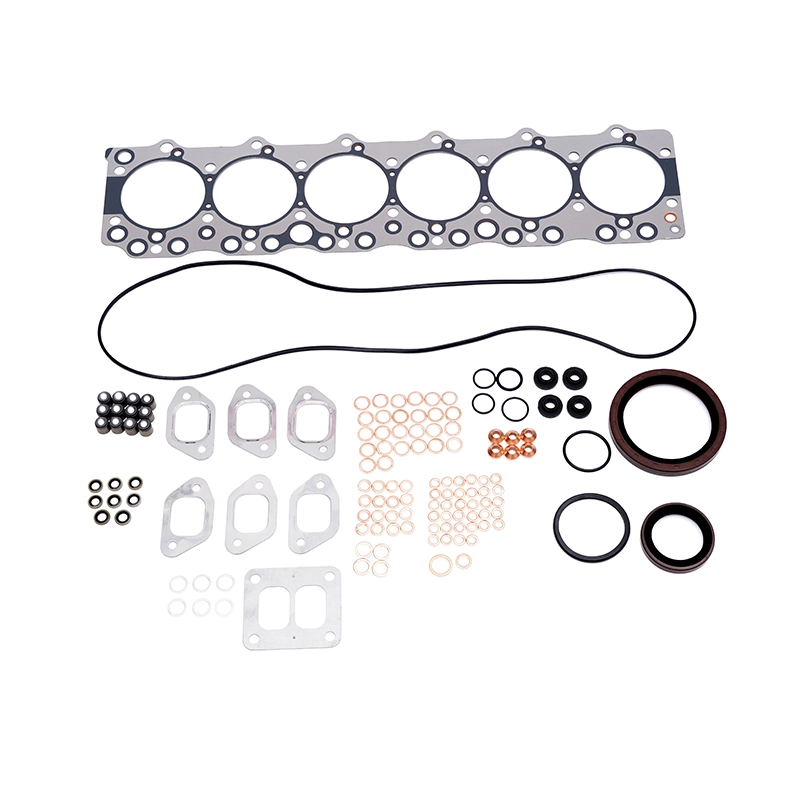
For ISUZU 6BG1 Truck Fit 1986-1992 F-Series FSR 500 FVR 12 JCS 420 1-87810609-0 Engine Head Gasket Kit Full Set 1878106090
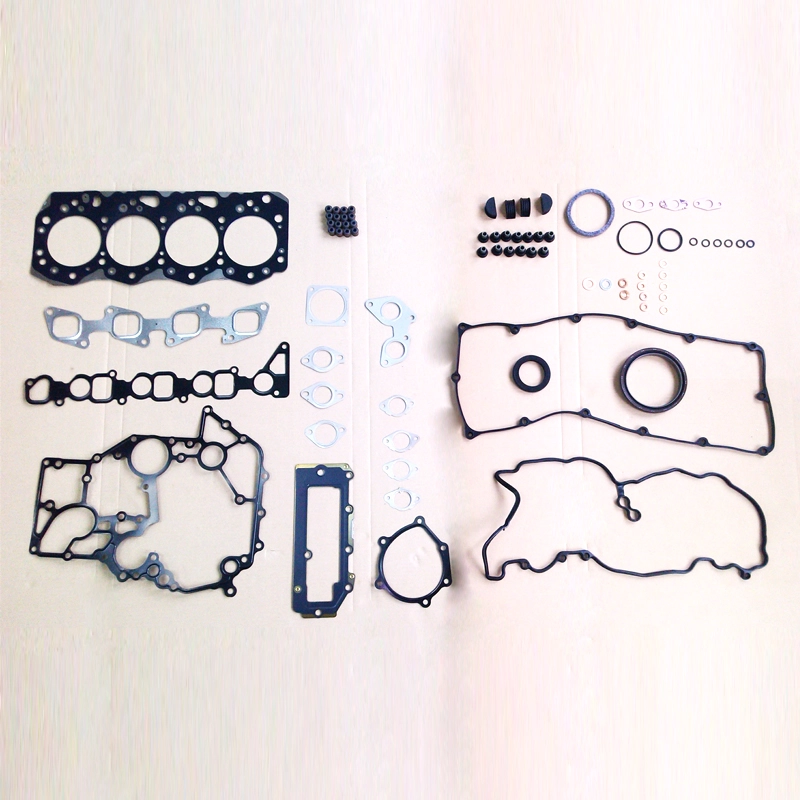
OEM 5-87815243-0 Cylinder Head Gasket ISUZU 4JJ1 4JJ1-TC 4JJ1-TCX 4JK1-TC 4JK1-TCX
 High Quality
 7/24 Service
 Guaranteed Warranty
 Scan QR Code
Tik Tok
YouTube
Facebook
LinkedIn
Scan QR Code
Whatsapp: +8618922275934
Whatsapp: +8618922276204
Whatsapp: +8618922271543