

How to detect coolant mixing with oil in a Toyota 2L2 engine due to head gasket failure? | WTA Guide
How to Detect Coolant Mixing with Oil in a Toyota 2L2 Engine Due to Head Gasket Failure
What are the common symptoms indicating coolant is mixing with oil in a Toyota 2L2 engine?
Signs of coolant contamination in engine oil typically include a milky or frothy appearance on the oil dipstick or oil filler cap, unexpected engine overheating, white exhaust smoke, and loss of engine performance. In Toyota 2L2 engines, these symptoms are often early indicators of head gasket failure allowing coolant to leak into the oil passages.
How can a visual inspection help confirm coolant presence in the engine oil?
Perform a careful visual inspection by removing the oil filler cap or checking the dipstick. Coolant presence can cause the oil to take on a thick, creamy, coffee-with-milk appearance due to water mixing with oil-based fluids. This emulsification is a reliable indicator of coolant contamination.
What diagnostic tests are recommended to detect head gasket failure in the Toyota 2L2 engine?
Several diagnostic tests help confirm head gasket failure:
- Compression Test: Low and inconsistent cylinder compression could indicate a blown head gasket.
- Cylinder Leak-Down Test: This test can detect internal leaks between cylinders and coolant passages.
- Cooling System Pressure Test: Pressurizing the cooling system can reveal leaks contributing to coolant entry into the oil.
- Chemical Combustion Leak Test (Block Test): Detects presence of combustion gases in the coolant system.
Why is it critical to detect coolant in oil early in Toyota 2L2 engines?
Coolant mixing into engine oil dramatically reduces oil’s lubricating properties, accelerating engine wear, causing bearing damage, and potentially leading to catastrophic engine failure. Early detection on Toyota 2L2 engines allows for timely repairs like head gasket replacement, minimizing damage and repair costs.
What sealing industry practices help prevent or address coolant and oil mixing in engines like the Toyota 2L2?
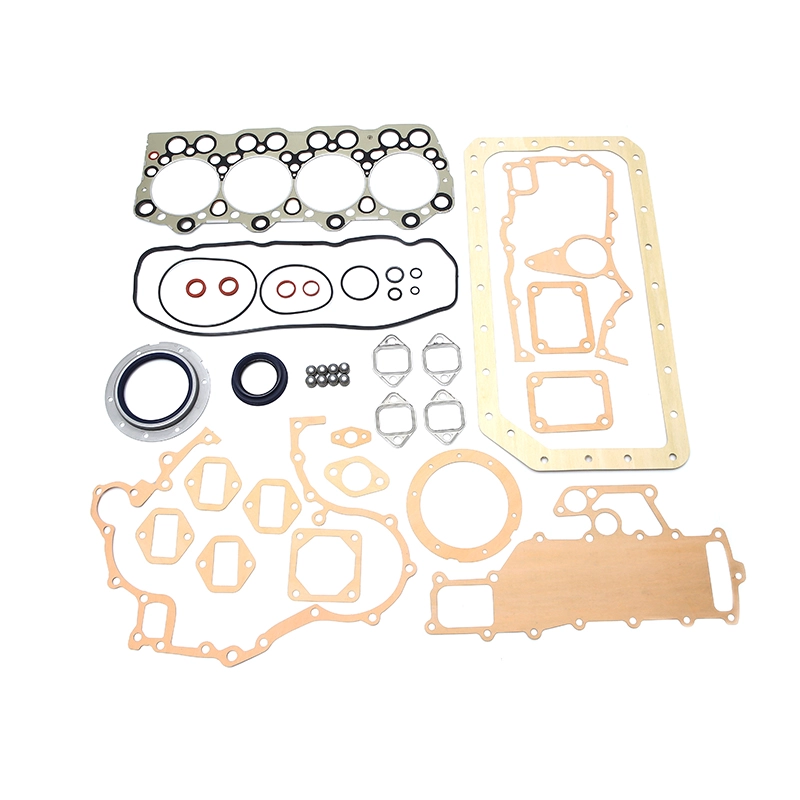
From an engine sealing industry perspective, high-quality head gaskets made from multilayer steel (MLS) or composite materials with precise torque and installation procedures improve sealing reliability. Additionally, ensuring cylinder head and block surface flatness through machining prevents gasket leaks. Routine maintenance and using OEM-quality parts also optimize durability against coolant-oil contamination issues.
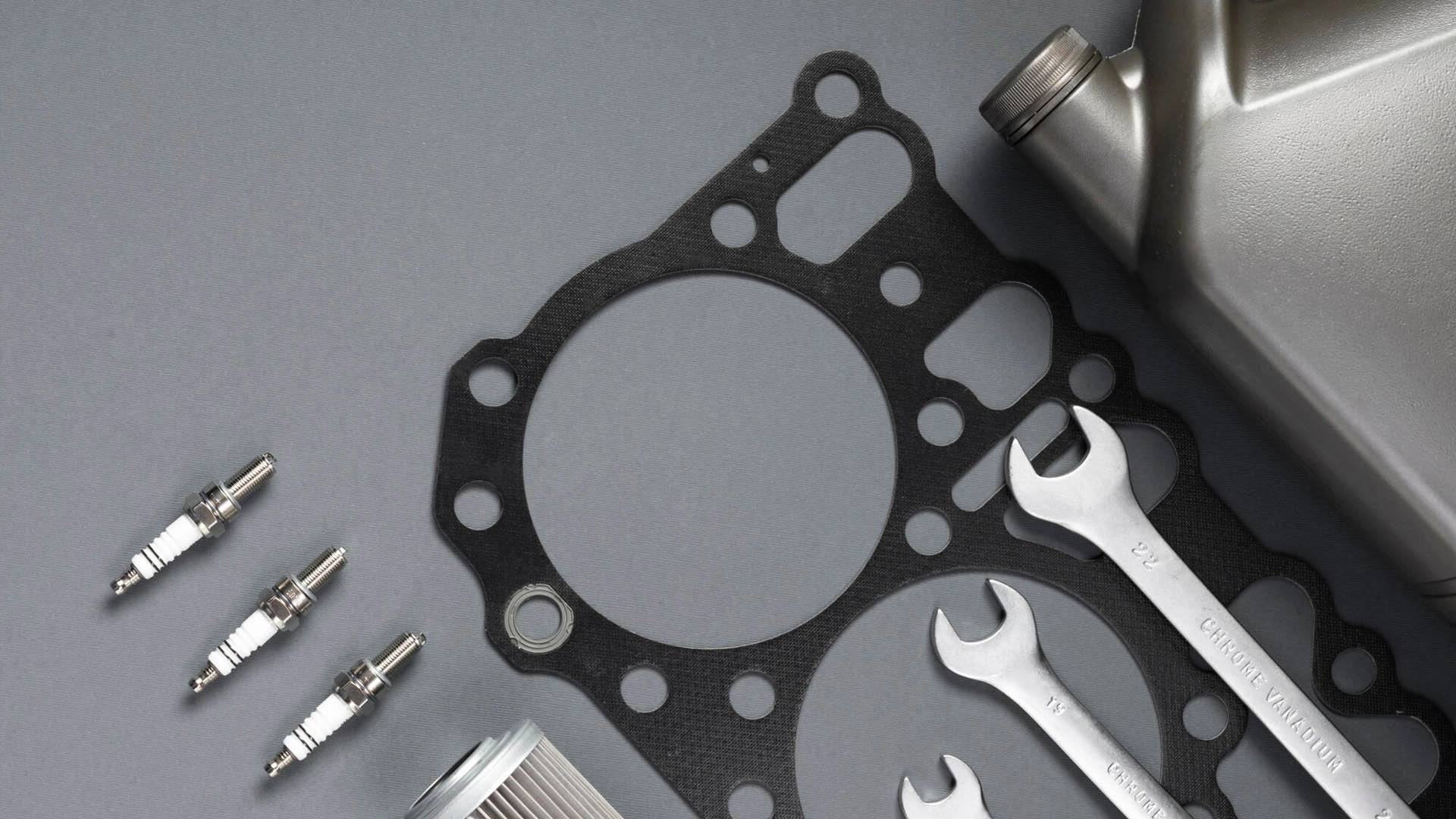
Signs of a Blown Head Gasket: Warning Symptoms, Causes & Prevention Tips
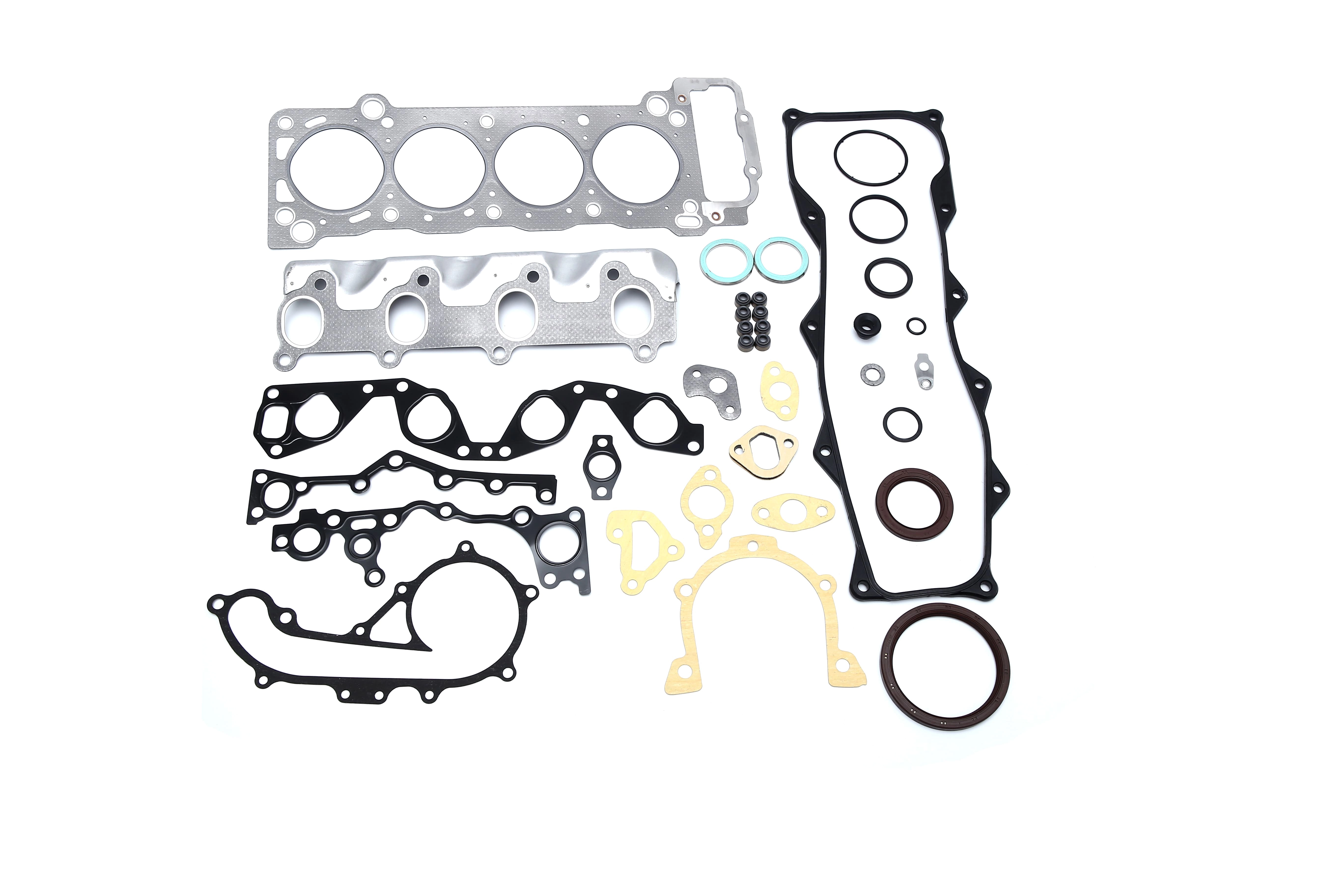
Engine Overhaul Gasket Kit – Product Introduction
Building Trust Beyond Borders: A Long-Term Partnership with Our Dubai Client
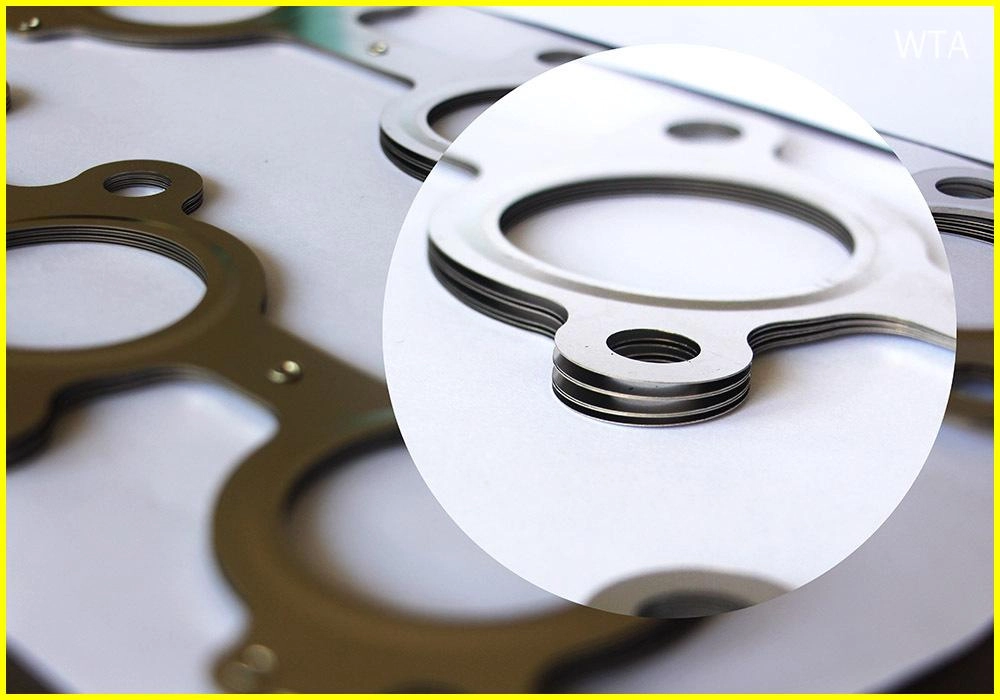
Hazards of Gasket Oil Leaks and Prevention Measures in Automotive Applications
Oil Seals in Cars: Their Function, How to Identify, and Replace Inferior Seals
OEM&ODM
What is your sample policy?
We can supply the sample if we have ready parts in stock, but the customers have to pay the sample cost and the courier cost.
What is your terms of delivery?
EXW, FOB
Can you produce according to the samples?
Yes, we can produce by your samples or technical drawings. We can build the molds and fixtures.
How about your delivery time?
Generally, it will take 5 to 7 days after receiving your advance payment. The specific delivery time depends on the items and the quantity of your order.
Do you test all your goods before delivery?
Yes, we have 100% test before delivery.
STAY IN TOUCH WITH WTA
Have any questions or queries about our products? Please leave us a message here and our team will get back to you promptly.
Your inquiries, ideas, and collaboration opportunities are just a click away. Let's start the conversation.
 High Quality
 7/24 Service
 Guaranteed Warranty
 Scan QR Code
Tik Tok
YouTube
Facebook
LinkedIn
Scan QR Code
Whatsapp: +8618922275934
Whatsapp: +8618922276204
Whatsapp: +8618922271543