

How do I choose a gasket material? | WTA Guide
How Do I Choose a Gasket Material?
Selecting the right gasket material is crucial for engine sealing performance, longevity, and safety. The wrong choice can lead to leaks, failures, and costly downtime. Below are key considerations to help professionals make the best decision.
Key Factors in Gasket Material Selection
1. Temperature Resistance
- High-Temp Applications: Choose materials like graphite, PTFE, or metal gaskets (e.g., stainless steel).
- Low-Temp Applications: Nitrile rubber (NBR) or silicone may be suitable.
- Thermal Cycling: Flexible materials like elastomers or composite gaskets prevent cracking.
2. Pressure Requirements
- High Pressure: Reinforced materials (e.g., spiral-wound gaskets) provide stability.
- Low Pressure: Soft cut gaskets (e.g., cork or rubber) offer sufficient sealing.
3. Chemical Compatibility
- Oil & Fuel Resistance: Nitrile rubber (NBR) or fluorocarbon (FKM/Viton®).
- Acid/Alkali Exposure: PTFE or chemically resistant elastomers.
- Coolant Compatibility: EPDM or silicone.
4. Application-Specific Needs
- Static vs. Dynamic Seals: Rubber for dynamic, compressed fiber for static.
- Vibration Resistance: Multi-layer steel (MLS) or elastomer-bonded gaskets.
5. Cost & Longevity
- Budget-Friendly: Cork or rubber (short-term solutions).
- Long-Term Durability: Graphite or metal gaskets (higher upfront cost, lower lifecycle cost).
Common Gasket Materials & Their Uses
| Material | Best For | Limitations |
|---|---|---|
| Nitrile (NBR) | Oil & fuel systems | Poor ozone/weather resistance |
| Graphite | High-temp, corrosive environments | Brittle under vibration |
| PTFE | Chemical resistance | Low creep resistance |
| Silicone | Wide temp range, flexibility | Weak against oils/fuels |
| Metal (MLS) | High-pressure engines | Expensive, rigid |
Industry Standards & Testing
- ASTM F104: Classifies non-metallic gasket materials.
- SAE J2643: Standards for rubber gaskets in automotive applications.
- Pressure & Leak Testing: Ensures material performance under real-world conditions.
Final Tips
- Consult Manufacturer Data: Match material specs to engine requirements.
- Consider Environmental Factors: Humidity, UV exposure, and contaminants.
- Test Before Full Deployment: Validate gasket performance in controlled conditions.
By evaluating these factors, professionals can optimize sealing efficiency and reduce maintenance costs. Need expert advice? Contact WTA for tailored solutions.
This structured, snippet-friendly format ensures quick readability while maintaining technical depth—ideal for professionals seeking actionable insights.
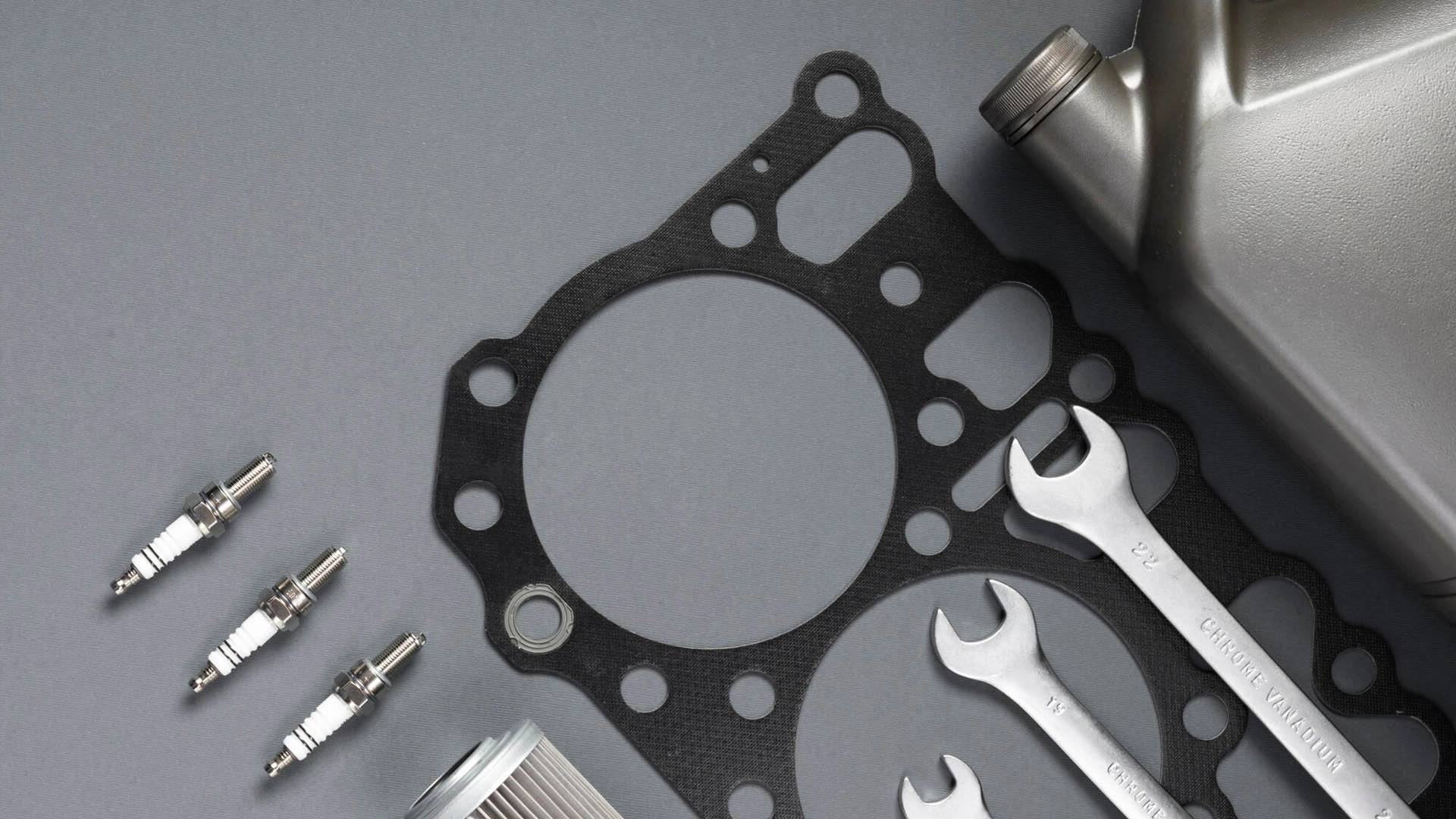
Signs of a Blown Head Gasket: Warning Symptoms, Causes & Prevention Tips
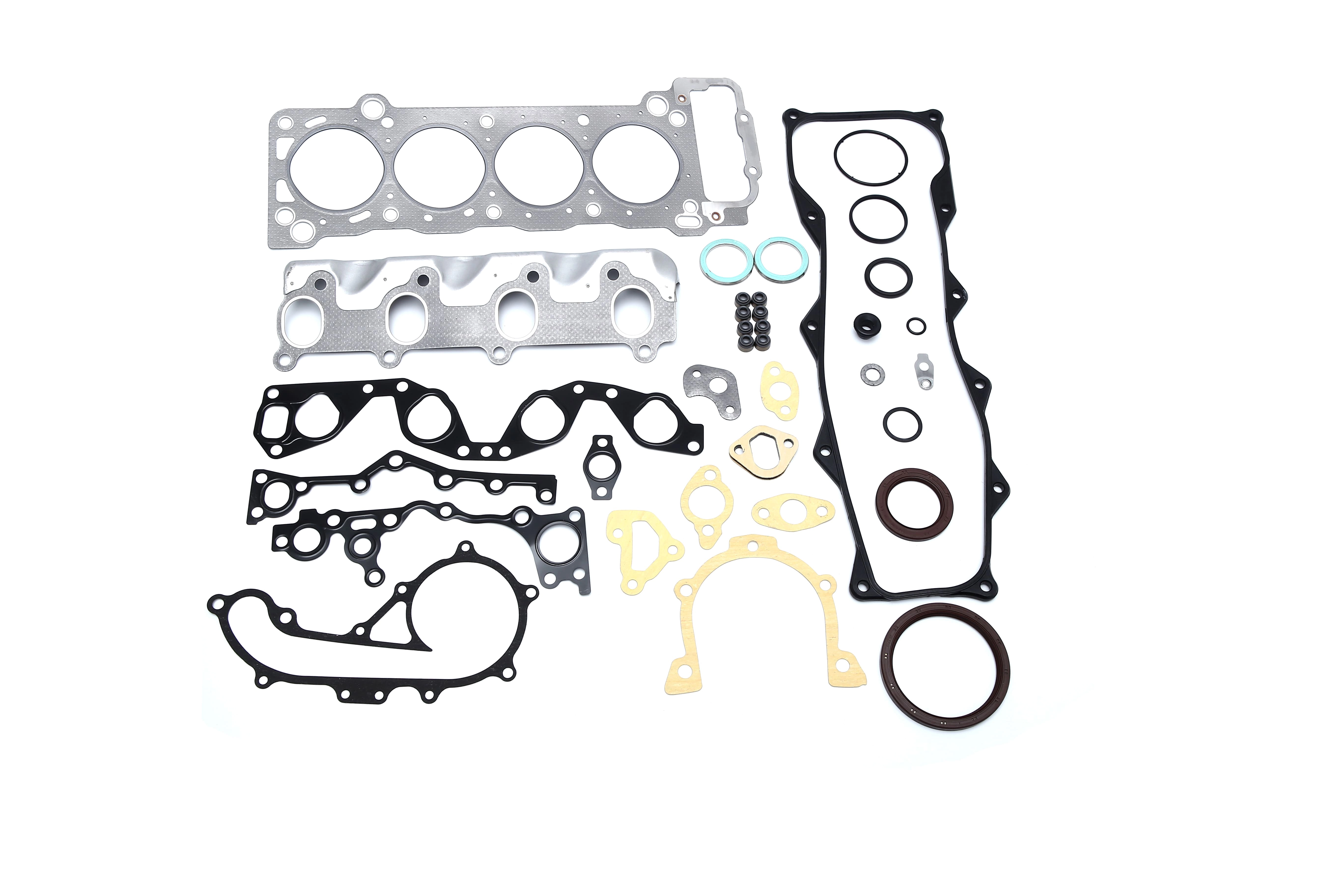
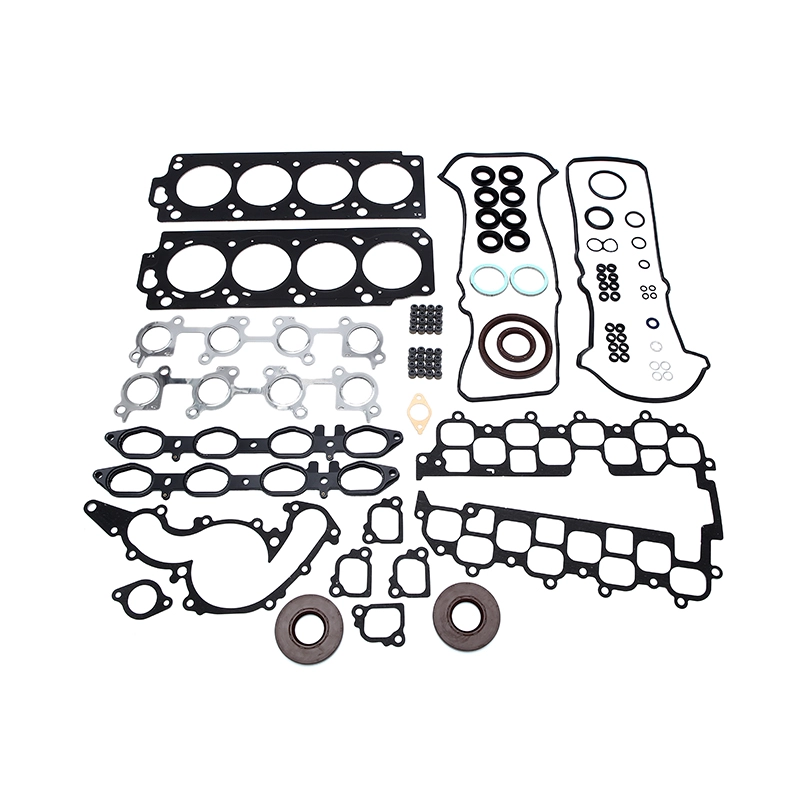
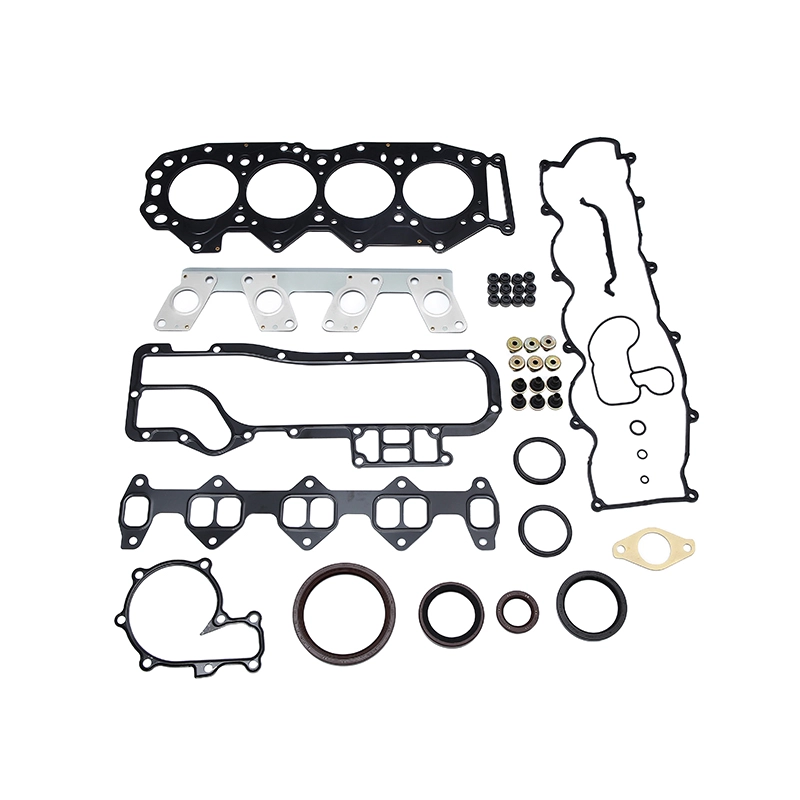
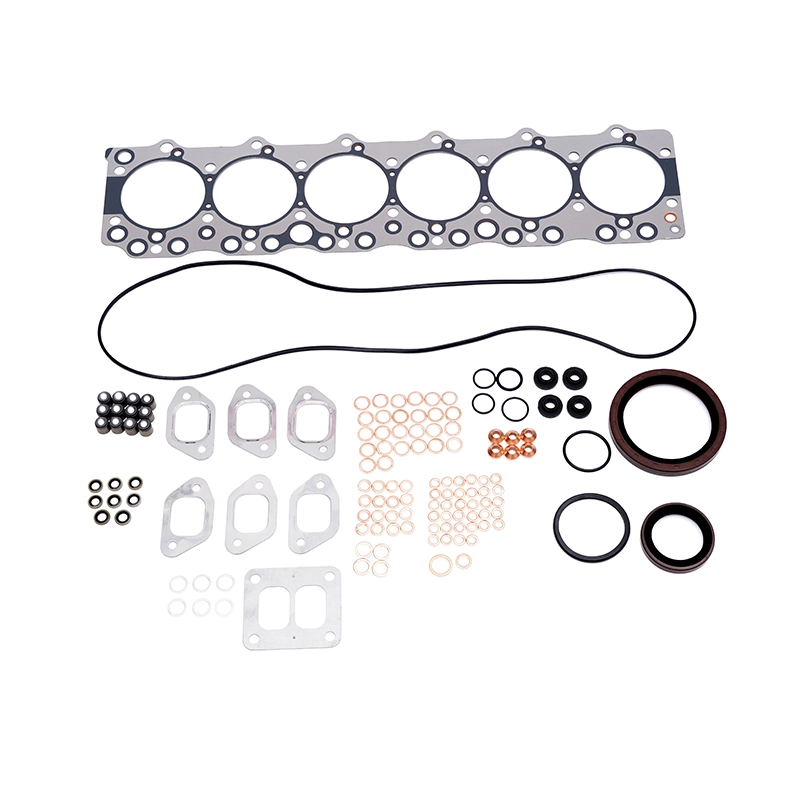
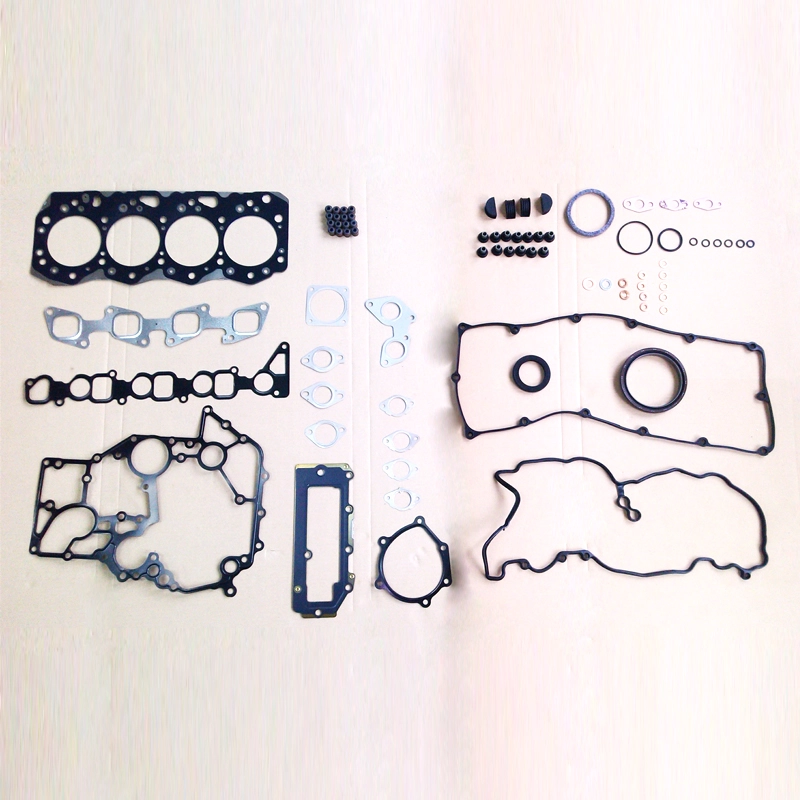
Engine Overhaul Gasket Kit – Product Introduction
Building Trust Beyond Borders: A Long-Term Partnership with Our Dubai Client
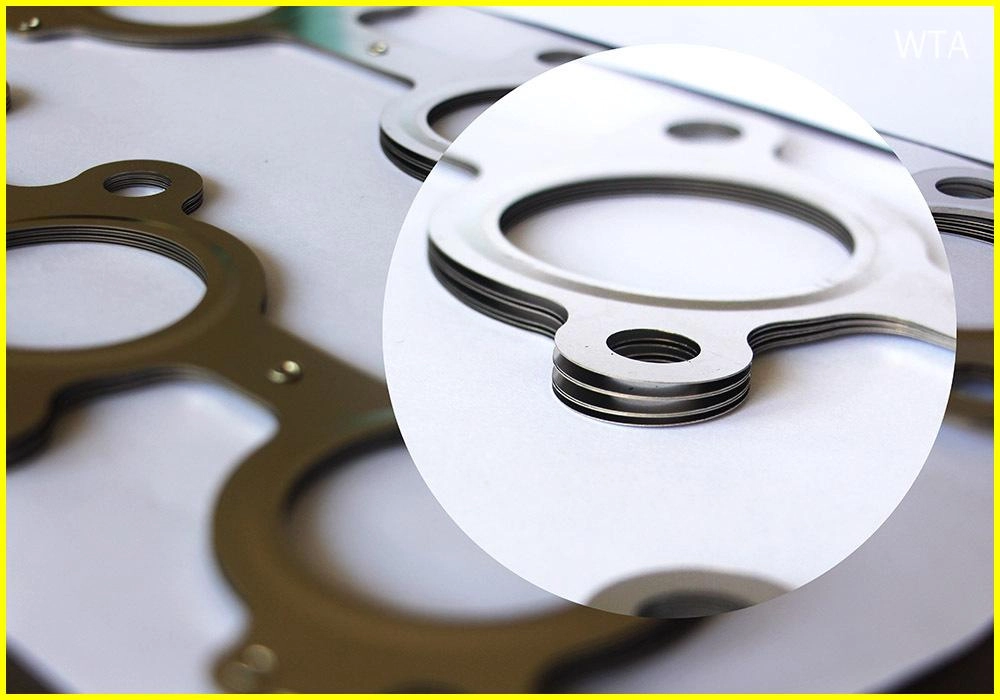
Hazards of Gasket Oil Leaks and Prevention Measures in Automotive Applications
Oil Seals in Cars: Their Function, How to Identify, and Replace Inferior Seals
OEM&ODM
What is your terms of packing?
Generally, we pack our goods in WTA and SOYI packing. If you have legally registered patent, we can pack the goods in your branded boxes after getting your authorization letters.
What is your terms of payment?
T/T 30% as deposit, and 70% before delivery. We'll show you the photos of the products and packages before you pay the balance.
Do you test all your goods before delivery?
Yes, we have 100% test before delivery.
Can you produce according to the samples?
Yes, we can produce by your samples or technical drawings. We can build the molds and fixtures.
What is your terms of delivery?
EXW, FOB
STAY IN TOUCH WITH WTA
Have any questions or queries about our products? Please leave us a message here and our team will get back to you promptly.
Your inquiries, ideas, and collaboration opportunities are just a click away. Let's start the conversation.
 High Quality
 7/24 Service
 Guaranteed Warranty
 Scan QR Code
Tik Tok
YouTube
Facebook
LinkedIn
Scan QR Code
Whatsapp: +8618922275934
Whatsapp: +8618922276204
Whatsapp: +8618922271543